The Art of the Smoke: Why Every Pitmaster Needs a Barbecue Log Book
There is a moment every backyard cook knows well. The coals are ashed over, the smoke is thin and blue, and a beautiful pork shoulder rests on the grates. But did you use apple or hickory? How long did the stall last? What was the ambient temperature when you wrapped it? Without a record, those details vanish into thin air. A Barbecue Log Book is the tool that captures that fleeting information, turning every cook into a lesson and every lesson into better barbecue.
For anyone serious about low-and-slow cooking, tracking variables is not an obsession—it is a necessity. Temperature swings, wood choices, rub compositions, and even wind direction all affect the final result. A dedicated log book transforms guesswork into a repeatable system. Whether you compete on the circuit, cook for friends on weekends, or just want to nail that perfect brisket every time, logging your cooks is the most effective way to improve.
What a Barbecue Log Book Actually Captures
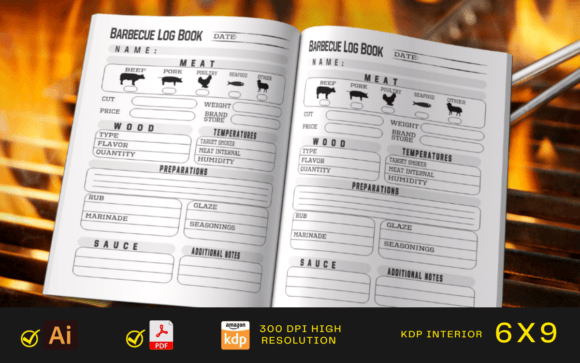
A proper log does more than record a date and a protein. It creates a full picture of the cook environment. Here are the essential data points that a well-designed log book should help you track:
- Protein details: Type, weight, grade, and any injection or brine used.
- Rub and binder: Exact ingredients or store-bought blend, plus the binder (mustard, oil, something else).
- Cook setup: Smoker type, fuel source (charcoal, wood, pellets), and any modifications like water pans or deflectors.
- Temperature logs: Time-stamped readings for both the cooker and the internal meat temperature, including the stall period and the wrap moment.
- Wood and smoke: Species of wood used, whether it was chips, chunks, or logs, and how often you added fuel.
- Weather conditions: Ambient temperature, humidity, wind speed, and whether it was sunny, rainy, or overcast.
- Final results: Appearance, texture, taste score, and notes from anyone who ate it.
When these details are recorded consistently, patterns emerge. You might notice that your ribs cook faster on a south wind or that a particular rub works better with pecan wood. A Barbecue Log Book turns every cook into a data point for future success.
Why Digital Formats Matter for a Modern Log Book
Traditional paper logs are wonderful, but they have limits. Handwritten pages can smudge, tear, or get lost. When you want to share a proven recipe with a friend or print a clean version for a competition binder, a raw notebook falls short. That is where the value of a Barbecue Log Book in PDF, AI, and PNG formats becomes clear.
A print-ready PDF is the foundation. It is tested for KDP upload, so you can publish it as a physical book without worrying about margins, bleed, or resolution. The 6 x 9 inch trim size is popular for a reason—it fits comfortably on a countertop or in a smoker shelf, and it offers enough space for detailed entries without being cumbersome. With 120 pages, you get dozens of cooks worth of logs, plus room for notes, tips, and favorite recipes.
But the real power comes from the AI source files. Adobe Illustrator files allow for deep customization. Maybe you want to add your own logo, change the color scheme to match your brand, or adjust the layout to include a section for fuel consumption. Having the original vector files means you are not locked into a static design. You can tweak, remix, and personalize the log book to fit your exact workflow. For competition cooks, this is invaluable—you can create a branded log book that reflects your team identity.
The included PNG files offer another layer of flexibility. Use them for digital previews, social media mockups, or even as a reference image when printing at a local shop. The fact that this product comes with two mockup log books is a thoughtful touch—you can showcase different cover designs or see how the interior spreads look before committing to a final version.
Practical Considerations for Choosing a Log Book
Not every barbecue enthusiast needs the same thing. Some cooks want minimalist pages with just a few fields. Others prefer structured layouts with checkboxes, timelines, and scoring systems. The best Barbecue Log Book accommodates both attitudes. The layout should feel natural to fill out while cooking—not like homework. If the fields are too cramped or the design is too busy, you will stop using it after two cooks.
Another factor is durability. A log book that lives near a smoker will encounter grease, smoke, and the occasional splash of sauce. While a printed book has physical limits, having a digital source file means you can always reprint a fresh copy. You can keep a master copy safe on your computer and print new pages as needed. That is a major advantage over a standard notebook.
For those uploading to KDP, file preparation can be a headache. Bleed settings, trim lines, and color profiles confuse many self-publishers. A log book that specifies no bleed and KDP tested removes that stress. You know the files will pass Amazon's review process. The dimensions are exactly 6 x 9 inches, so there is no guessing. This is a product designed for someone who wants to publish without technical hurdles.
How a Log Book Fits Into a Larger Barbecue Practice
Keeping a log book is not about perfection on the first cook. It is about building a personal reference library. Over the course of a season, you will accumulate a record of what works and what does not. You will learn how your smoker behaves at different ambient temperatures, how long your preferred charcoal burns, and which cuts of meat give you the most consistent results.
For competition teams, a shared log book becomes a communication tool. When multiple people manage different parts of the cook, a written record ensures everyone stays aligned. Notes about timing, doneness, and appearance reduce confusion and improve teamwork. A digital template means every new team member gets the same format from day one.
Home cooks benefit too. If you only smoke a few times a month, a log book prevents you from repeating past mistakes. Did you overcook last year's Thanksgiving turkey? Check your entries. Was there a particular rub that made everyone ask for the recipe? It is in the log. Over time, the book becomes a personal cookbook full of proven techniques.
Key Features That Make a Log Book Ready for KDP
Not all digital products are created equal. When evaluating a Barbecue Log Book for self-publishing, look for these specific attributes:
- Print-ready files: High-resolution PDF with no bleed, optimized for KDP's specifications. CMYK color space is ideal for print accuracy.
- Editable source files: AI (Adobe Illustrator) files that let you modify text, rearrange fields, or insert your own graphics. This is crucial for branding.
- PNG previews: Useful for product listings, social media promotion, or testing layout legibility on screen.
- Tested dimensions: Exactly 6 x 9 inches with 120 pages. This trim size is cost-effective to print and easy for customers to handle.
- Mockup copies: Two sample log books give you a realistic sense of the finished product, helping you decide on cover design and interior flow.
These features save hours of work. Instead of wrestling with layout software or guessing KDP's bleed requirements, you get a turnkey product that is ready to upload immediately. The only work left is adding your own branding or customizing the content to your audience.
Practical Scenarios for Using a Barbecue Log Book
Imagine you are running a backyard barbecue for twenty people. You have a brisket, two racks of ribs, and a batch of sausages. Without a log, you are juggling times and temperatures in your head. With a log book, you write down when each item went on, what the cooker temp was, and when you wrapped or sauced. At the end of the day, you have a complete record that you can replicate or adjust next time.
Now imagine you are a competitive pitmaster. At a contest, you have limited time and high stakes. Every variable matters. A log book with clean, quick-fill fields helps you stay organized under pressure. Later, reviewing your entries helps you refine your process for the next event. Teams that log their cooks consistently tend to improve faster than those who rely on memory.
For a barbecue content creator or educator, a log book serves as both a teaching tool and a product. You can use your own entries as examples in videos or blog posts. If you publish your log book on KDP, it becomes a passive revenue stream while establishing your authority in the niche. Offering a resource that helps others improve their craft builds trust and engagement.
Recommendations for Getting the Most Out of Your Log Book
Start simple. Do not try to fill every field on the first cook. Focus on the core metrics: protein, cooker temp, internal temp, and final outcome. As you get comfortable, add more detail. Over time, you will develop a personal shorthand that makes logging quick and natural.
Keep your log book near your cooking station. A waterproof cover or a spot inside a tool box keeps it clean. If you use a digital version, store the files in a cloud folder so you can access them from any device. The AI source format allows you to print fresh copies whenever you need them, so do not be afraid to write heavily in a printed version.
Review your logs periodically. At the end of each month or season, flip back through your entries. Look for patterns. Did your pork shoulder cook faster when you used a water pan? Did your ribs get better scores when you switched to a specific wood blend? These insights are the real value of consistent logging.
Final Thoughts on Building a Better Barbecue Practice
A Barbecue Log Book is not a gimmick. It is a practical tool for anyone who wants to cook with intention and consistency. Whether you are a weekend backyard enthusiast or a seasoned competitor, recording your cooks helps you learn, adapt, and improve. The availability of print-ready PDF, customizable AI files, and transparent PNG formats makes it easy to publish or personalize a log book that fits your needs exactly.
If you find value in well-designed, KDP-tested products with practical customization options, consider subscribing to profiles that add new items regularly. Quality resources for barbecue enthusiasts are always evolving, and having access to versatile formats ensures you can keep refining your craft. Every great pitmaster knows that the best smoke comes from experience—and the best experience comes from paying attention.