Vector Letter D for Duck Coloring Page: A Designer's Playful Asset
Imagine a single letter that can teach a child the alphabet, spark a brand's visual identity, or serve as a calming creative exercise for an adult—all while maintaining professional-grade scalability. That's the quiet power behind the Vector Letter D for Duck Coloring Page, a deceptively simple graphic design asset that straddles the line between education, art, and branding. For designers, this isn't just a coloring sheet; it's a modular, editable, and print-ready vector file that can be repurposed across countless creative projects.
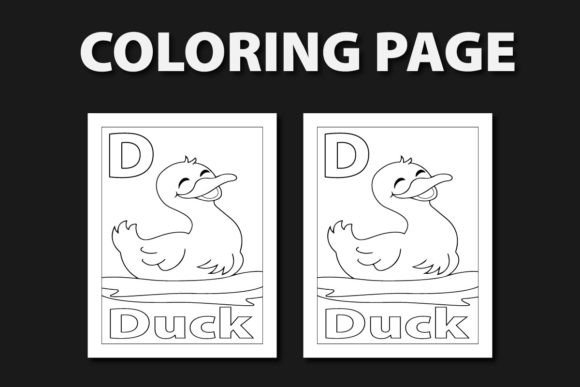
At its core, this asset pairs the letter "D" with the recognizable silhouette of a duck, creating an instant visual mnemonic. But what makes it truly valuable in a professional design workflow is the file specification. You receive a comprehensive package—AI, EPS, JPEG, PDF, SVG, and a high-quality print-ready PDF (8.5" x 11", 1 page art, no bleed)—all fully editable. This flexibility means you can customize the design, change the color palette, adjust line weights, or integrate the letterform into a larger brand identity system.
Why This Asset Matters in Modern Design Workflows
In today's fast-paced creative environment, versatility is currency. The Vector Letter D for Duck Coloring Page is more than a static illustration; it's a component that supports multiple touchpoints in graphic design and visual communication. Here are some practical applications where it shines:
- Branding and Logo Design: Use the clean, recognizable letterform as the basis for a playful children's brand mascot or an educational app icon.
- Marketing Materials: Incorporate the duck character into flyers, posters, or newsletters for early childhood centers, zoos, or wildlife charities.
- Social Media Graphics: Create a series of "Alphabet Animal" posts for Instagram or Pinterest, engaging audiences with consistent visual hierarchy and modern aesthetics.
- Web and UI Design: Use the SVG file to embed a clean, scalable icon into a children's learning website or app interface.
- Packaging Design: Feature the duck on product boxes, stickers, or toy labels for a friendly, approachable look.
- Editorial Layouts: Add the coloring page as an insert in children's magazines or activity books, printed directly from the high-resolution PDF.
- Merchandise: Screen-print the design onto T-shirts, tote bags, or notebooks for a cohesive product line.
- Digital Products: Sell the editable file as part of a larger bundle of creative assets for other designers or teachers.
Each application benefits from the fact that the design is vector-based. Unlike a raster image that degrades when scaled, a vector file (AI, EPS, SVG) allows you to resize the duck from a tiny favicon to a massive billboard without losing sharpness. This scalability is essential for maintaining professional presentation across all media.
Practical Tips for Customizing Your Design
To get the most out of your Vector Letter D for Duck Coloring Page, consider the following design workflow strategies:
- Define Your Audience First: A bold, thick line weight works well for toddlers learning to color, while a lighter, intricate stroke suits adults seeking a mindful coloring experience.
- Leverage Editability: Open the AI or EPS file in your preferred vector editor. Change the color of the duck to match a brand's color palette or add a subtle pattern to the letterform for extra visual interest.
- Pair with Complementary Typography: Use the duck as a focal point and pair it with a clear, sans-serif font for educational materials, or a playful hand-drawn font for more casual creative projects.
- Test Print Quality: The provided print-ready PDF is optimized for 8.5" x 11" paper with no bleed. Before mass printing, do a test run on your preferred paper stock to ensure the black lines are crisp and the composition fits your layout.
- Think Beyond Coloring: Remove the word "coloring" from the context. The vector duck can be used as a standalone decorative element in UI design or packaging design. Fill it with a gradient or texture to transform it from a line art outline into a polished illustration.
The Role of Consistency in Visual Communication
When integrating an asset like this into a larger brand system, consistency is key. The duck's silhouette should feel at home with other animal icons you might create. Its line art style should complement your existing typography and imagery. A haphazard mix of design styles can confuse your audience and weaken brand identity. By starting with a clean, editable vector, you ensure that every derivative—whether a social media post or a printed banner—maintains a cohesive look.
Furthermore, consider the visual hierarchy of your final composition. The letter "D" should remain legible even after the duck is colored or filled with texture. If you plan to use the design for signage or advertising, test its readability at various distances. Proper contrast between the duck and the background ensures your message is not lost in the art.
Why Quality Creative Assets Elevate Your Work
In the competitive landscape of digital and print design, the quality of your raw materials directly impacts the final output. A poorly traced, pixelated duck will undermine even the most thoughtful branding effort. The Vector Letter D for Duck Coloring Page provides a foundation built on clean curves, proper layers, and editable paths—hallmarks of good design workflow. By investing in such assets, you save hours of redrawing and troubleshooting, freeing up time to focus on the creative strategy behind the visual.
Ultimately, thoughtful design choices—like choosing a versatile, scalable, and editable vector file—improve both aesthetics and communication. Whether you're building a brand from scratch, creating educational content, or simply looking for a fun addition to your next creative project, this asset offers a practical, high-quality solution. The duck may be simple, but the possibilities it unlocks in your design workflow are anything but.