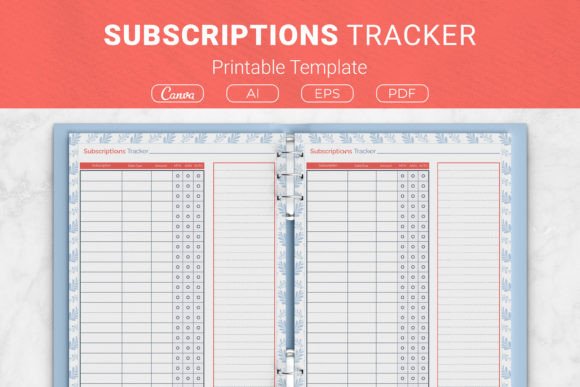
Keep Your Subscriptions in Check with a Subscriptions Tracker Printable Template
Where Did All That Money Go?
It happens to nearly everyone. You glance at your bank statement and see a charge for a service you haven't touched in months. Maybe it's a streaming platform you signed up for during a free trial, a cloud storage plan you forgot to cancel after the first month, or a meal kit subscription that kept delivering even after you switched to cooking from scratch again. These small charges add up quickly, and by the time you notice them, you have already lost more than you would like to admit.
A Subscriptions Tracker Printable Template is one of those simple tools that solves a very real problem. It gives you a clear, physical place to see exactly what you are paying for, when payments are due, and whether each subscription is still worth keeping. Instead of juggling multiple email reminders or hoping you remember to check your bank app, you get one sheet that lays everything out in front of you.
Real People, Real Subscriptions, Real Savings
Think about the different types of subscriptions that quietly live in your monthly budget. There are the obvious ones like Netflix, Spotify, or your gym membership. Then there are the sneaky ones software licenses, magazine renewals, pet food deliveries, and even car wash passes. When you write them all down on a Subscriptions Tracker sheet, you often realize you are paying for more than you thought.
Take Maria, a freelance graphic designer. She subscribed to three different stock photo platforms because each one had a free trial at different times. She meant to cancel two of them after choosing her favorite, but life got busy. Six months later, she had paid for all three without using two of them at all. A simple tracker would have caught that after the first billing cycle.
Or consider James and his family of four. They have separate streaming services for the kids, a sports package for James, a music service for long drives, and a few educational apps for homework help. With so many accounts under one roof, it is easy to lose track of renewal dates. A shared printout posted on the fridge helps everyone see what is active and what could be paused during slower months.
Different Audiences, One Practical Solution
This template works for a wide range of people, and each person uses it a little differently.
Freelancers and Solopreneurs
If you run your own business, you likely have a mix of personal and professional subscriptions. Things like project management tools, accounting software, email marketing platforms, and design apps all come with recurring fees. A Subscriptions Tracker Printable Template helps you separate business expenses from personal ones. You can note which subscriptions are tax deductible and which ones you should review at the end of each quarter. It keeps your finances clean and your deductions organized.
Busy Parents and Household Managers
Families often juggle the most subscriptions without realizing it. From diaper delivery services to online tutoring platforms and family streaming bundles, the list grows fast. A printed tracker placed on a bulletin board or inside a household binder allows everyone in the family to see what is active. When a child outgrows an educational app or a meal kit service no longer fits the weekly schedule, you can flag it for cancellation at the next renewal date.
Students and Young Professionals
If you are just starting out, every dollar matters. Students often sign up for discounted services that later convert to full price. A tracker helps you spot those price hikes before they hit your account. Young professionals who travel frequently may also have subscriptions they only use seasonally, like ski passes or airport lounge memberships. Tracking them ensures you are not paying for something while you are away.
Minimalists and Budget-Conscious Individuals
People who actively work to simplify their lives find this template especially useful. By keeping a list of every active subscription, you can regularly ask yourself: Do I really use this? Does this add value to my day? If the answer is no for two months in a row, it is time to cancel. The tracker becomes a tool for intentional spending rather than passive payment.
How the Template Works in Real Life
The beauty of a printable template is that you can tailor it to your own rhythm. You do not need to open an app or remember a login. You just pull out the sheet, look at what is listed, and decide what to do next.
Each entry typically includes the subscription name, the amount due, the billing frequency, the next due date, and whether it renews automatically. You can also add a note about how often you actually use the service. After a few months, patterns become obvious. You might notice that you subscribe to multiple overlapping services, like two different news outlets or three fitness apps. That awareness alone can save you a surprising amount of money.
For example, if you see that you have been paying for a productivity app every month but have only opened it twice in six months, that is a clear signal to let it go. On the other hand, if you see that a particular streaming service gets used daily by everyone in the house, you know it is worth keeping. The tracker turns vague feelings about spending into concrete data you can act on.
Choosing the Right Format for Your Needs
The template comes in several sizes, so you can pick the one that fits your lifestyle. The US Letter and A4 sizes work well for printing at home and placing in a binder or folder. If you prefer something more compact, the 6 by 9 inch or 7.5 by 9.25 inch options are great for slipping into a planner or notebook. Many people keep one in their budget binder and another copy in their desk drawer for quick reference.
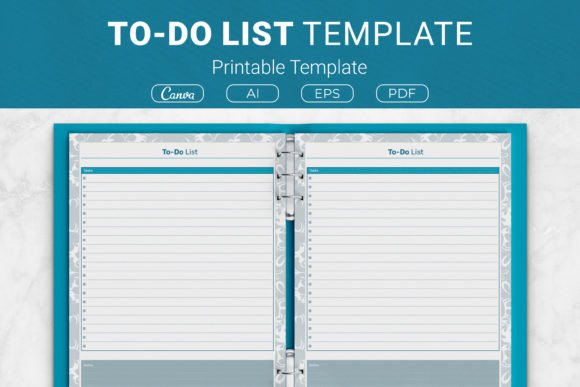
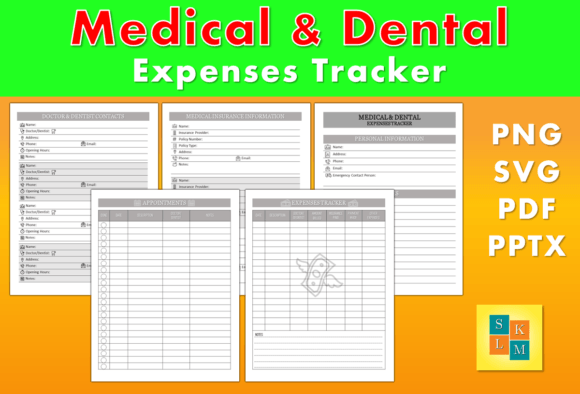
The package includes AI Illustrator files, an EPS file, PDF files ready to print, and a link to Canva templates. That flexibility means you can edit the fields if you want to add custom categories or change the layout to match your existing planner system. Whether you prefer to print a fresh sheet each month or fill out one sheet and update it as things change, the choice is yours.
A common consideration before starting is how often you want to review your subscriptions. Some people check their tracker monthly alongside their bill-paying routine. Others prefer a quarterly review to catch any forgotten trials or price increases. The template itself does not dictate a schedule, but writing things down naturally encourages you to check in more often than you would if the information were scattered across multiple emails.
Strengths and Honest Limitations
A Subscriptions Tracker Printable Template is a low-tech solution in a high-tech world, and that is part of its strength. You are not dependent on battery life, internet access, or app updates. It works the same way every time, and it is nearly impossible to lose a physical sheet if you keep it in a designated place. The act of writing things down by hand also helps you remember details better than typing them into a digital form.
That said, it does require some discipline. You have to remember to update the sheet when you sign up for a new subscription or when a payment date changes. If you are the kind of person who prefers automated reminders and spreadsheets that calculate totals for you, a printable template might feel too manual. But for many people, that manual effort is exactly what creates awareness. The moment you have to physically write down a new subscription, you pause and ask if you really need it.
Another limitation is that a single sheet can only hold so many entries. If you have dozens of subscriptions, you may need to use multiple pages or switch to a larger format. The template is best suited for individuals or families with a manageable number of subscriptions somewhere between five and twenty. If your list is longer, you might prefer a digital tool, but the template can still serve as a starting point to audit what you have.
Beyond Personal Use: Other Practical Applications
This template is not just for individuals. Small business owners who manage subscriptions for their team can use it to keep track of software licenses, domain renewals, and marketing tools. Shared offices and coworking spaces sometimes print a master tracker to monitor shared services like coffee deliveries, printer ink subscriptions, and cleaning services. Even event planners use similar trackers to manage recurring vendor subscriptions and software tools they use for different seasons of the year.
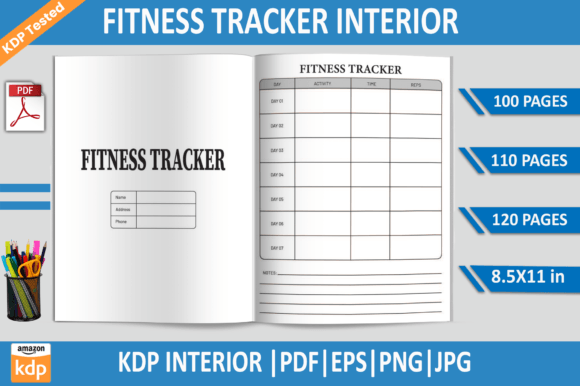
If you are working on a Kindle Direct Publishing project, the template doubles as a useful interior for a personal finance planner or a household organization book. It fits naturally into a larger system of trackers and logs without feeling out of place. Many people pair it with a monthly budget sheet or a bill payment tracker to get a complete picture of their recurring expenses.
Small Habit, Big Difference
At the end of the day, a Subscriptions Tracker Printable Template is a simple nudge toward financial mindfulness. It does not require complex setup or a learning curve. You print it, fill it out, and start noticing where your money goes. Over time, that small habit can help you cut unnecessary costs, avoid unwanted renewals, and feel more in control of your monthly spending. Whether you use it for yourself, your family, or your business, it puts the information right where you need it. And that is often all it takes to stop paying for things you no longer use.