The Ayurveda Workbook: A Practical Guide to Self-Discovery and Holistic Well-Being
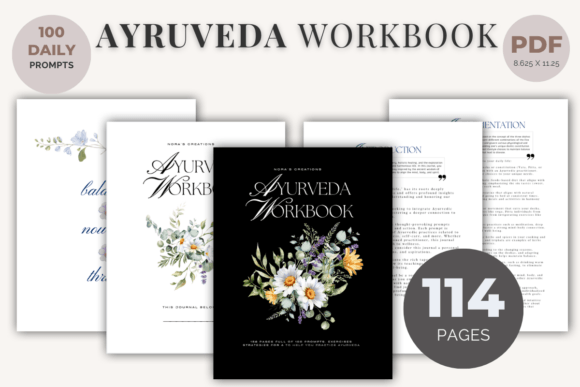
Navigating the vast landscape of wellness resources often means sifting through abstract advice that fails to translate into daily action. The Ayurveda Workbook takes a different approach. It is a structured, 114-page resource designed to bridge the gap between ancient Ayurvedic principles and modern life. Unlike a simple journal or a theoretical book, this workbook combines foundational teachings with actionable exercises, making it a practical tool for anyone serious about understanding their unique constitution and building sustainable habits.
What the Ayurveda Workbook Actually Contains
At its core, the workbook is built around three integrated components: education about Ayurvedic principles, guided reflection through journal prompts, and habit tracking that aligns with the doshic system. The cover page and introductory section establish a sense of personal ownership (the workbook literally includes a "This Page Belongs To" space), which sets the tone for a self-directed journey.
The material covers the three doshas—Vata, Pitta, and Kapha—along with daily routines known as Dinacharya, seasonal adjustments, and the mind-body connection. These are not presented as abstract concepts. Each principle is paired with exercises that ask you to apply the information to your own life. The 100 affirmations are woven throughout the workbook, offering subtle reinforcement of the Ayurvedic mindset without feeling repetitive or overwrought.
Physical Specifications and Layout
The workbook is formatted at 8.5 x 11 inches, which gives ample room for writing, sketching, and pasting images for the vision board section. This larger format is a deliberate choice. It allows the monthly habit tracker and the vision board pages to function as true working documents rather than cramped afterthoughts. The layout prioritizes usability over decoration, with clean spacing and clearly demarcated prompts.
Strengths in Design and Practical Application
The most notable strength of the Ayurveda Workbook is its structure. The monthly habit tracker is not a generic checklist; it is designed to align with doshic imbalances. For example, if you identify as predominantly Vata-dominant, the tracker reminds you to prioritize grounding habits like self-massage (Abhyanga) and regular meal times. This targeted approach turns generic habit tracking into a personalized wellness protocol.
The vision board section is another thoughtful addition. Rather than being a purely creative exercise, it functions as a visual commitment device. You are asked to collect images and affirmations that reflect your specific health and lifestyle goals within an Ayurvedic framework. This reinforces the material in a way that reading alone cannot achieve.
Affirmations with Context
The 100 affirmations included in the workbook avoid the common pitfall of being too vague or disconnected from the subject matter. They reference doshic balance, digestion (Agni), and seasonal rhythms. An affirmation like "I honor my body's unique needs today" is more meaningful when you have just completed a dosha questionnaire and identified your current imbalance. The affirmations serve as anchors rather than standalone platitudes.
Real-World Usability and Effectiveness
In practical use, the workbook performs best as a companion rather than a standalone course. For someone already familiar with the basics of Ayurveda, the prompts and trackers provide structure for deepening practice. For a beginner, the introductory material offers enough context to start without feeling overwhelmed, though the workbook does assume a willingness to engage actively with the material.
The 100 journal prompts are distributed throughout the 114 pages in a way that encourages regular, short sessions. You are not expected to write lengthy essays. Many prompts are one-sentence or bullet-point exercises that take five to ten minutes to complete. This makes the workbook sustainable for people with demanding schedules—professionals, freelancers, and small business owners who cannot dedicate hours to self-reflection but still want meaningful progress.
Who Benefits Most from This Resource
Based on the structure and depth of content, the Ayurveda Workbook is particularly well-suited for several groups:
- Professionals and entrepreneurs who need a time-efficient, structured way to integrate wellness into a busy schedule. The habit tracker and short prompts fit into morning or evening routines without disruption.
- Yoga teachers and wellness coaches looking for a reliable resource to recommend or use in client sessions. The workbook covers enough foundational material to serve as a complement to in-person guidance.
- Serious hobbyists who have read about Ayurveda but struggle with consistency. The monthly tracking and vision board provide accountability that self-study often lacks.
- Publishers and educators who evaluate content quality for their audiences will appreciate the clear structure and practical focus. The material avoids fluff and presents concepts in a way that can be immediately applied.
Quality and Reliability Considerations
The workbook demonstrates a solid understanding of Ayurvedic principles without oversimplifying or exaggerating claims. It does not promise cures or quick fixes. Instead, it positions itself as a tool for exploration and habit formation. This restraint is a mark of quality in a wellness market saturated with overhyped products.
The language throughout is professional and objective. Instructions are clear, and the prompts are designed to elicit genuine self-assessment rather than forced positivity. The affirmations, while supportive, are grounded in the doshic framework rather than generic self-help language.
Potential Limitations to Consider
No resource is without trade-offs, and the Ayurveda Workbook has limitations worth noting. First, it assumes a baseline interest in self-directed work. If you prefer guided instruction or interactive digital tools, the workbook's paper-based format may feel less engaging. Second, while it covers foundational principles, it does not go into advanced Ayurvedic concepts like pulse diagnosis or detailed herbal protocols. It is an introductory-to-intermediate resource, not a comprehensive textbook.
The physical format also means you use it once. If you complete all 100 prompts and track habits for several months, the workbook is fully consumed. Some users may wish for a reusable or refillable system. However, the depth of the exercises often warrants working through the pages, reflecting, and then starting fresh with a new workbook as your understanding evolves.
Long-Term Value and Flexibility
Over the long term, the value of this workbook lies in its ability to be revisited. The insights you record when you first use it will differ from those you have six months later, after you have internalized the doshic concepts and adjusted your routine. The vision board section is particularly useful for re-evaluation. You can return to it and assess whether your visual goals still align with your evolving understanding of balance and health.
The flexible structure allows you to skip sections, repeat certain prompts, or adapt the habit tracker to your own schedule. There is no prescribed order. This makes the workbook suitable for both linear use and as a reference you dip into when specific imbalances arise.
How It Compares to Other Wellness Workbooks
Compared to general wellness journals or gratitude diaries, the Ayurveda Workbook offers more targeted guidance. It is not a blank notebook with vague prompts. It provides educational context, dosha-specific tracking, and affirmations that reinforce a consistent framework. This specificity is its primary advantage. For someone who has already tried generic journaling and found it lacking direction, this workbook provides the structure that was missing.
It also stands apart from purely instructional Ayurveda books by emphasizing active participation. You do not just read about Dinacharya; you plan your own daily routine, track it, and reflect on the results. This experiential element is what transforms information into practice.
Practical Recommendations for Getting the Most Out of It
To maximize the workbook's effectiveness, start with the dosha assessment section first. Understanding your current constitution and any imbalances will inform how you use the habit tracker and which affirmations resonate most. Then, commit to one or two tracked habits per month rather than attempting all at once. The habit tracker is designed to support gradual integration, not overwhelming change.
Use the vision board section early and update it quarterly. The act of physically sourcing and arranging images reinforces intention more than digital boards. Keep the workbook accessible, not stored away. The 8.5 x 11 inch size means it may not fit in a small bag, but it works well on a desk or nightstand where you see it daily.
Final Evaluation: Is the Ayurveda Workbook Worth Your Time?
The Ayurveda Workbook delivers on its promise of combining Ayurvedic wisdom with practical, actionable exercises. It is well-constructed, thoughtfully laid out, and avoids the common pitfalls of vague wellness content. Its 100 affirmations, dosha-aligned habit tracker, and vision board section provide a complete toolkit for anyone who wants to move from understanding Ayurveda to living it.
For professionals, coaches, educators, and serious enthusiasts, this workbook offers a reliable, structured pathway. It respects your time, provides genuine value, and supports long-term practice without selling shortcuts. If you are looking for a resource that treats Ayurveda as a practical discipline rather than a trend, this workbook earns its place on your shelf.